
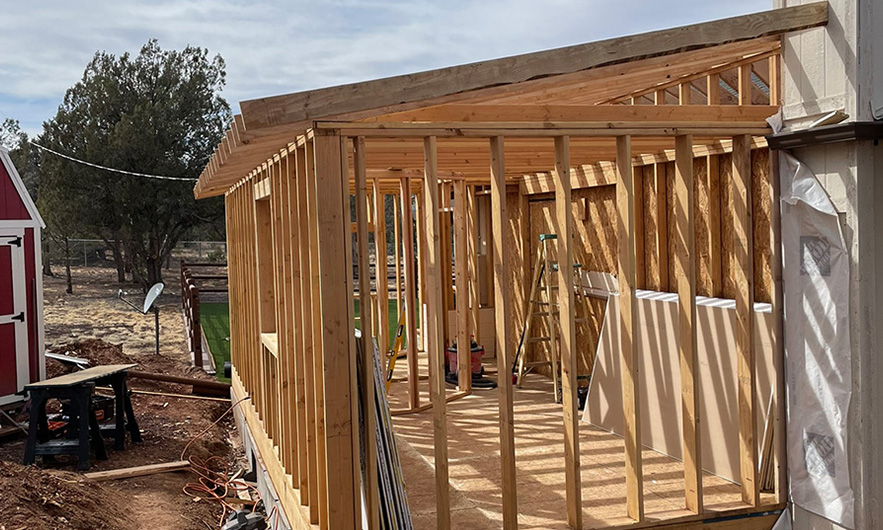
A simple question will help you start a smooth house addition: What problem are you trying to solve? Different options and prices are available for a growing family, a quiet office, or a tiny rental space. Before you start sketching, compose a one-page brief that includes the size, the must-have features, and the budget range you want to stay inside. This keeps all decisions on track and saves time and money later. Give that brief to everyone who supports you, whether it’s a designer, builder, or lender, so everyone is on the same page. Put it on your fridge and check it every week to make sure it sticks.
- List three must-haves and three nice-to-haves.
- Set a “do not exceed” number and defend it.
- Note why the space matters to you.
Map Out the Money
To make a realistic budget, break down the costs into categories like design, permits, site work, structural, mechanical systems, finishes, and a 10–15% reserve for unexpected costs. Get a rough idea of how much it will cost per square foot in your location, and then change it based on how big the project is. Put your totals in a spreadsheet and do “what if” tests, such as using cheaper flooring or having fewer windows, to see how much you can save. Keep an eye on your financial flow as well; some costs come up early (design and permits), while others come up later (finishes). Keep a simple ledger that you update every week. If you want something new, put it on hold until you can find something else that costs the same amount.
- Use a “swap to save” column.
- Add a 10–15% contingency line.
- Review spending every Friday.
Check Codes and Setbacks
Check the guidelines before you fall in love with a plan. You can find out about setbacks, height limits, lot coverage ratios, and parking rules by calling your local building department or visiting its website. Find out if your addition needs to follow energy codes, fire separation restrictions, or stormwater rules. If your house is in a flood zone or a historic district, you will have to do more work and wait longer. Ask for a general schedule for the permission so you can plan around it. Take notes and file them with your brief. Knowing the limits early helps you design to fit—saving redraw fees and delays.
- Verify side and rear setbacks.
- Ask about egress window sizes.
- Confirm required R-values.
Choose The Right Layout
A smart layout saves money because it reduces structural moves and utility rerouting. Keeping wet rooms (kitchen, bath, laundry) stacked or back-to-back shortens plumbing runs. Align new loads over existing beams, and avoid long, open spans that require heavy steel. When possible, place the addition on simple foundations and keep the roof shape clean; hips and valleys add cost. Sketch a few options and measure travel paths. If doors and windows line up, daylight improves, and you may need fewer fixtures.
- Keep plumbing within one wall if possible.
- Favor rectangles over complex jogs.
- Plan furniture scale early.
Decide On Foundation Type
Your site and climate drive the base. A slab-on-grade can be the cheapest option on level lots with suitable soil because it keeps heat well and doesn’t need as much digging. To stop heaving in cold places, footings must go below the frost line. Plumbing and electrical work is easier to get to in crawl spaces, but they need ground vapor barriers, perimeter vents (or a conditioned crawl design), and sealed insulation. If you want a basement, make sure to set aside money for waterproofing, footing drains, and additional digging costs. If you’re not sure about the soil’s ability to hold weight or if there is a lot of water, always get a simple soil review.
- Confirm local frost depth.
- Add capillary breaks under slabs.
- Protect the perimeter with proper drainage.
Understand Structural Basics
Even small additions carry big loads. Identify any load-bearing walls before you draw wide openings. Use span tables or an engineer to size beams and headers, especially over large windows or patio doors. Tie the new roof into the old with proper flashing and a continuous load path—sheathing, nails, straps, and hold-downs that move forces to the foundation. For lateral strength, place shear panels at corners and space nailing per code. Don’t cut joists for ducts without checking allowable notches and holes.
- Use engineered lumber for long spans.
- Keep a straight, simple roof tie-in.
- Follow nailing schedules exactly.
Plan HVAC, Electrical, Plumbing
Systems that are the right size use less energy and cost less. Instead of guessing, ask for a Manual J load estimate for HVAC. You might only need a small ductless unit for the new space instead of upgrading the full system. For electrical work, design circuits by location, such as lighting, outlets, and specific loads like a microwave, bath fan, or mini-split. Think about using AFCI and GFCI protection when you need it. When it comes to plumbing, keep the space between fixtures and vent stacks to a minimum. Use mastic, not tape, to seal duct seams and insulate hot water lines.
- Group fixtures to shorten runs.
- Check panel capacity before adding circuits.
- Seal all penetrations to stop drafts.
Build An Efficient Envelope
The envelope affects both comfort and energy costs. Taped sheathing or an inside membrane can be used to make a continuous air barrier. Choose insulation that works for your climate, like dense-pack cellulose, high-density batts, or foam on the outside for thermal breaks. In hot, humid areas, handle vapor on the outside; in frigid areas, manage it on the inside. Use low-U windows with the right flashing tape and pan flashing at the sills. Be careful while sealing rim joists, top plates, and attic transitions. If you have one, use a blower door to test. Small leaks add up.
- Flash window sills before setting units.
- Tape and roll all sheathing seams.
- Add a smart vapor retarder where needed.
Phase Work To Save
A clear sequence shortens the schedule and reduces rework. Lock your design, then order long-lead items (windows, special doors) before you break ground. Schedule inspections in blocks so the site stays moving. Keep the old space usable while the new shell goes up; a temporary wall can limit dust and allow day-to-day life. Mix noisy or messy tasks together so cleanup happens once. Put all choices—tile, flooring, fixtures—into a finish schedule with model numbers to prevent last-minute rush buys.
- Order windows early to avoid delays.
- Use a one-page finish schedule.
- Group similar trades to cut mobilizations.
Pick Durable, Smart Finishes
Finishes can break the budget if you don’t compare options. Pay attention to the areas where wear is most common, like flooring, counters, hardware, and outside cladding. Luxury vinyl plank or engineered wood is a good choice for homes with kids and dogs since it is durable and affordable. Use large-format tile in bathrooms to cut down on grout lines and work. Pick LED lights that have drivers that can be changed. For siding, fiber-cement or engineered wood won’t rot; just prime all the cut ends. Use a small color palette so you may buy in bulk and cut down on waste.
- Price by lifecycle, not day one.
- Standardize trims and door styles.
- Keep tile sizes consistent to cut labor.
Manage Waste and Reuse
Material waste is money on the ground. Plan cut lists with your framer so lengths match common stock sizes. Save off-cuts for blocking and backing. If you remove cabinets or doors that are in good shape, donate or sell them. Ask your builder to set up labeled bins so metal, clean wood, and cardboard can be recycled. Protect finished surfaces as soon as they’re installed—ram board on floors, film on windows, and corner guards on drywall. Less damage means fewer patch charges.
- Order 10% extra, not 30%.
- Reuse framing off-cuts for blocking.
- Protect floors the day they go in.
Keep Communication Simple
Misunderstandings cost money. Twice a week, have a 15-minute site huddle with a short agenda that includes safety, the schedule, any decisions that need to be made, and any surprises. Put all of your drawings, permits, and specs in one folder and clearly label it “current set.” Before you agree to a change, write it down as a change note that includes how it will affect the cost and timeline. Take pictures with a date stamp after each step, such as putting up the foundation, framing, and insulation. This will help you remember what’s behind the walls.
- Two short meetings beat one long one.
- Approve changes only in writing.
- Keep all drawings in one folder.
Plan For The Finish Line
The last 10% takes the most patience. Start a punch list a week before the final inspection and update it daily. Test every outlet, switch, faucet, latch, and window. Label the electrical panel and keep manuals for equipment in a zip bag near the unit. Schedule a “teach me” walk-through to learn filter changes, shutoff valves, and warranty steps. Pay the final invoice only after the punch list is complete and you have lien releases. A calm finish protects your budget and your peace of mind.
- Walk through every room with blue tape.
- Photograph serial numbers and labels.
- Hold a 30-day follow-up check.
A Practical Wrap-Up
A successful build comes down to planning, details, and steady communication. Set a clear budget with a buffer, respect what your lot demands, and get permits and inspections right the first time. Lean on engineers for spans and loads, and design HVAC with real calculations. Tighten the building envelope, think through lighting, storage, and future upgrades, and decide early to avoid last-minute changes. Keep simple checklists and photo records so nothing slips. If you want a steady partner from first sketch to final walkthrough, reach out to Got Ur Six Custom Builders.